Cervical Disc Herniation: Symptoms, Causes, and Non-Surgical Neck & Arm Pain Relief in Windsor
D
Dr. Annunciato Angelini
Lead Chiropractor, Certified Cox® Decompression Provider
|April 12, 2024 10 min read
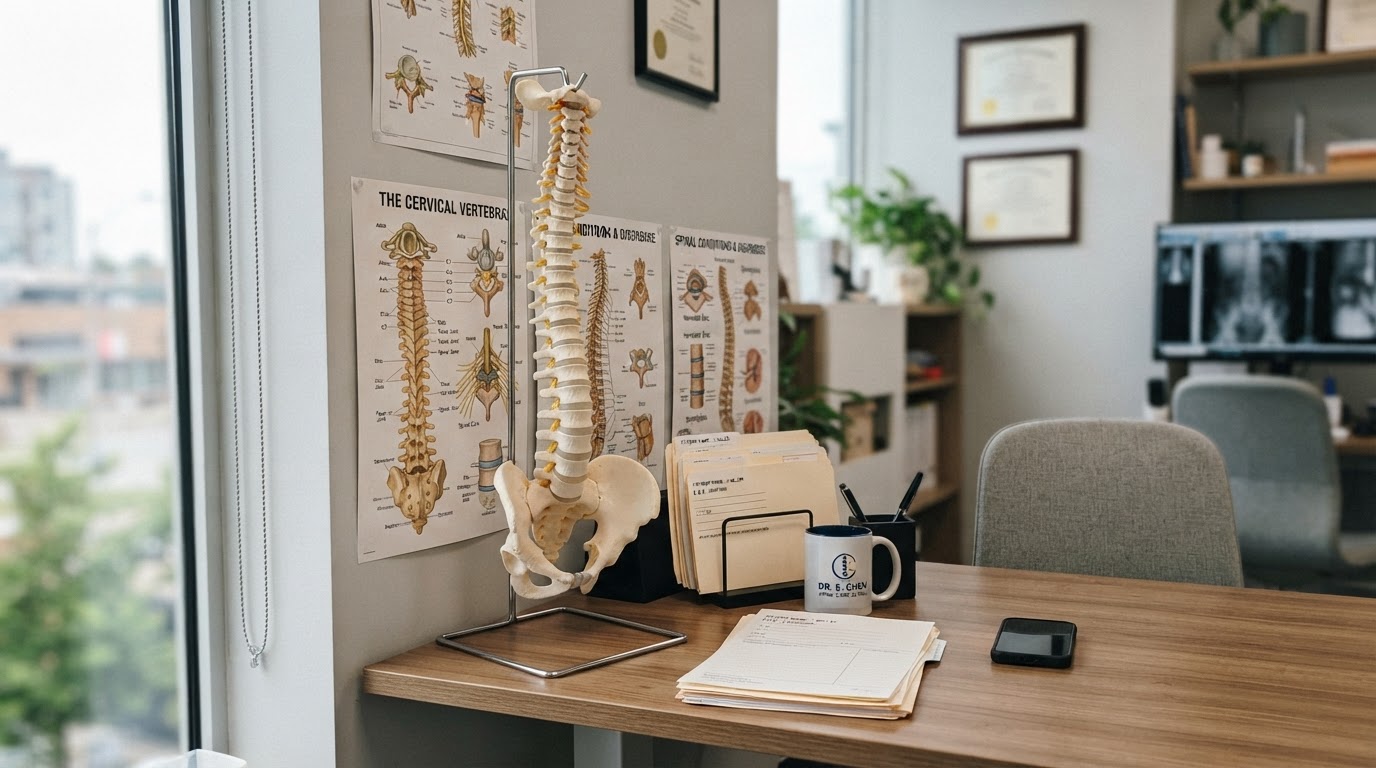
cervical disc herniation spine model showing pinched nerve radiculopathy relief in Windsor
Sharp, agonizing pain radiating from the base of your neck down through your shoulder blade, triceps, and into your fingertips can be one of the most frightening physical experiences of your life. Simple daily tasks like checking your blind spot while driving, looking down at your laptop, or resting your head on a pillow at night become nearly intolerable. When these symptoms occur, the underlying cause is frequently a cervical disc herniation with associated cervical radiculopathy (pinched spinal nerve root). At Active Chiropractic in Windsor, Dr. Annunciato Angelini specializes in gentle, non-surgical spine care utilizing certified Cox® Technic Flexion-Distraction spinal decompression—a gentle, researched protocol designed to reduce disc herniations and relieve pinched cervical nerves without injections or neck fusion surgery.
Anatomy of the Cervical Spine: Understanding Discs, Annular Tears, and Herniations
Your cervical spine consists of seven vertebrae (C1 through C7) stacked atop one another, separated by specialized fibrocartilaginous shock absorbers known as intervertebral discs. Each cervical disc is engineered with two primary anatomical components: the nucleus pulposus and the annulus fibrosus. The inner nucleus pulposus is a gelatinous, highly hydrated core composed of water, proteoglycans, and type II collagen that acts as a fluid ball bearing, distributing compressive loads. Surrounding this gelatinous core is the annulus fibrosus—a tough outer ring consisting of 15 to 25 concentric laminating layers of cross-woven fibrocartilage designed to contain internal pressures.
A disc herniation occurs when the outer annulus fibrosus suffers structural micro-tearing or trauma, allowing the pressurized inner gel to migrate outward. Clinically, disc pathology progresses across four stages: disc degeneration (internal dehydration and thinning), disc bulge (circumferential stretching of the annulus without tearing), disc protrusion or herniation (the nuclear gel pushes through torn inner annular fibers but remains contained by the outermost fibers), and disc extrusion or sequestration (the nuclear material ruptures completely through the annulus into the spinal canal or neural foramen).
Why Does a Cervical Herniation Cause Severe Arm Pain? The Dual Mechanism of Compression & Chemical Irritation
Patients are often surprised to discover that the intense, burning pain they feel in their forearm or hand originates in their neck, where they might only feel a dull ache or stiff spasm. This occurs because every cervical nerve root exiting the spinal cord travels through a narrow bony opening called the neural foramen to form the brachial plexus—the massive electrical wiring network supplying sensation and muscle control to your upper extremities.
When a disc herniates, it assaults the adjacent nerve root through two distinct clinical mechanisms: mechanical compression and intense chemical radiculitis. Mechanically, the physical displacement of disc tissue encroaches upon the neural canal, compressing the nerve root against the surrounding bone. Chemically, the inner nucleus pulposus contains extremely high concentrations of pro-inflammatory cytokines, phospholipase A2, and tumor necrosis factor-alpha (TNF-alpha). When annular tears allow this biochemical fluid to come into direct physical contact with the dorsal root ganglion, it induces an excruciating chemical burn, causing severe radiating pain (radiculopathy).
Mapping Your Symptoms: Which Cervical Disc Level Is Affected?
C4-C5 Herniation (C5 Nerve Root): Produces deep aching pain in the shoulder and upper arm; weakness in the deltoid muscle making it difficult to lift the arm overhead; numbness over the outer shoulder patch.
C5-C6 Herniation (C6 Nerve Root - Most Common): Radiates sharp pain down the front-lateral arm into the thumb and index finger; weakness in the biceps and wrist extensor muscles; diminished biceps reflex.
C6-C7 Herniation (C7 Nerve Root - Extremely Common): Generates burning pain radiating down the back of the arm through the triceps into the middle finger; weakness when pushing objects or extending the elbow; diminished triceps reflex.
C7-T1 Herniation (C8 Nerve Root): Causes pain, tingling, and numbness along the inner border of the forearm into the pinky and ring fingers; weakness of hand grip, finger abduction, and pinch dexterity.
Over 90% of cervical disc herniations can be successfully managed without surgery. By utilizing gentle Cox® decompression to reduce intradiscal pressure and open the neural foramen, we give the nerve room to breathe and heal.
Why Spinal Decompression (Cox® Technic) Is the Gold Standard for Non-Surgical Disc Care
When facing a cervical disc herniation, patients are frequently told that their only options are heavy prescription opioids, high-dose oral steroids, invasive epidural steroid injections, or anterior cervical discectomy and fusion (ACDF) surgery. While surgery is critical for rare red-flag emergencies (such as progressive motor loss or spinal cord compression/myelopathy), extensive orthopedic research confirms that conservative non-surgical decompression should always be the first-line therapy.
At Active Chiropractic, Dr. Angelini utilizes the Cox® Technic Flexion-Distraction decompression instrument. Developed by Dr. James M. Cox and documented in rigorous federally funded biomechanical trials, this specialized table allows the doctor to apply slow, gentle, rhythmic axial traction to the specific cervical segment with millimeter precision. There is no twisting, cracking, or aggressive high-velocity thrusting.
Lowers Intradiscal Pressure: Lowers pressure within the cervical disc to sub-atmospheric, negative pressure levels, creating a vacuum effect that draws herniated nuclear material back inside.
Increases Neural Foraminal Space: Opens the intervertebral foraminal area by up to 28%, immediately relieving physical mechanical pinching on the inflamed nerve root.
Improves Fluid Imbibition: Draws oxygen, water, and vital healing nutrients back into the dehydrated disc, accelerating natural annular healing.
Restores Physiological Motion: Gently restores physiological range of motion to facet joints that have been immobilized by protective muscle spasm.
Comprehensive Care Protocol at Active Chiropractic in Windsor
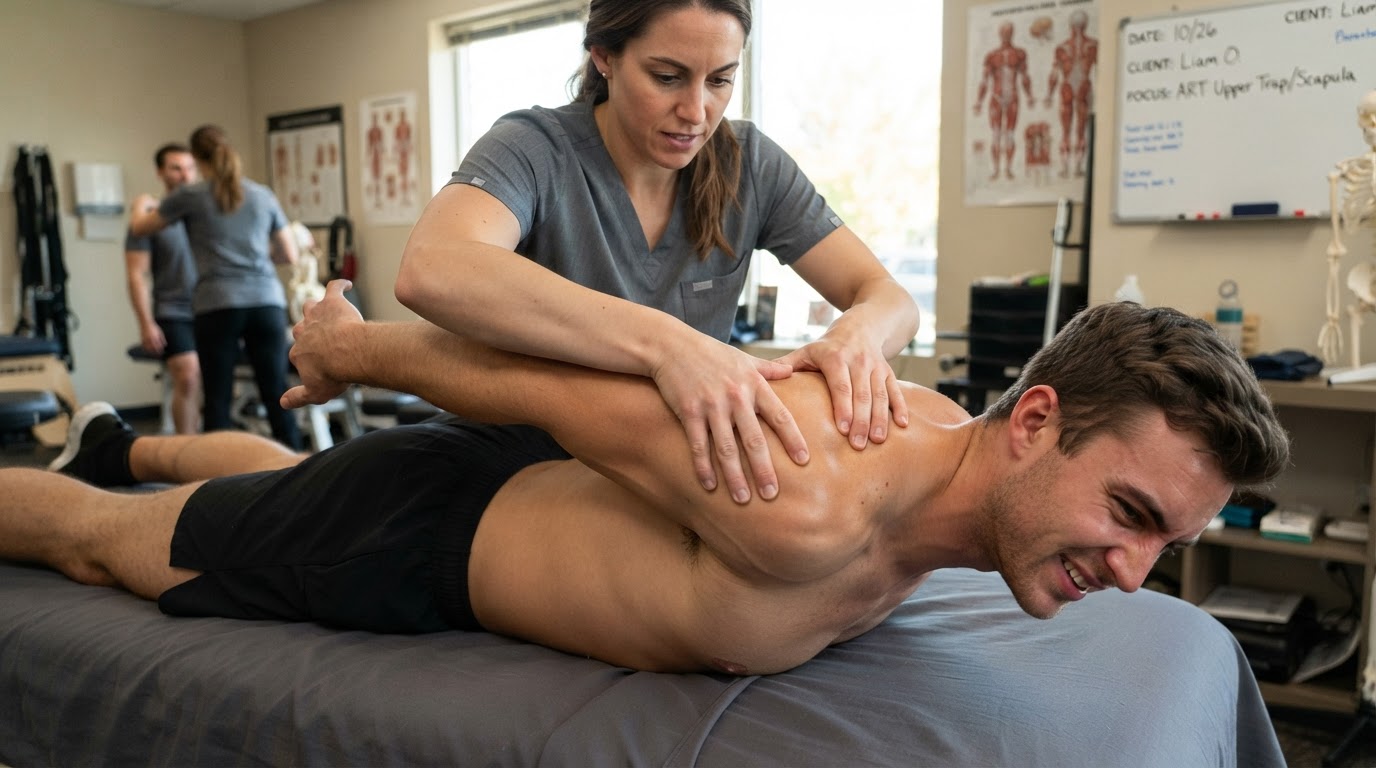
Your recovery plan at our Windsor clinic begins with a detailed orthopedic and neurological examination, including sensory dermatome testing, motor reflex grading, muscle strength evaluation, and cervical nerve tension tests (such as Spurling's test). Once your herniation level is confirmed, a gentle progressive care protocol is initiated. We combine Cox® cervical decompression with certified Active Release Techniques (ART) to relieve secondary spasms in the trapezius, levator scapulae, and scalene muscles, alongside computerized nerve scans to objectively verify your nervous system's recovery.
If you are currently experiencing acute neck and radiating arm pain, avoid aggressive self-stretching or rolling your head in circles. Instead, use ice over the base of your neck for 15-20 minutes at a time to calm the chemical radiculitis, and maintain a neutral chin-tucked posture.
The takeaway
A cervical disc herniation does not mean you are destined for invasive neck surgery. Gentle Cox® decompression creates negative intradiscal pressure, relieves pinched nerve roots, and delivers natural, lasting relief right here in Windsor.
Related Care & Clinic Guides
Explore how our team supports patients recovering from these specific conditions in Windsor:

 Soft Tissue & Sports