Carpal Tunnel Syndrome: Causes, Symptoms, and Non-Surgical Chiropractic Solutions in Windsor
D
Dr. Annunciato Angelini
Lead Chiropractor, 23+ Years Experience
|April 5, 2024 9 min read
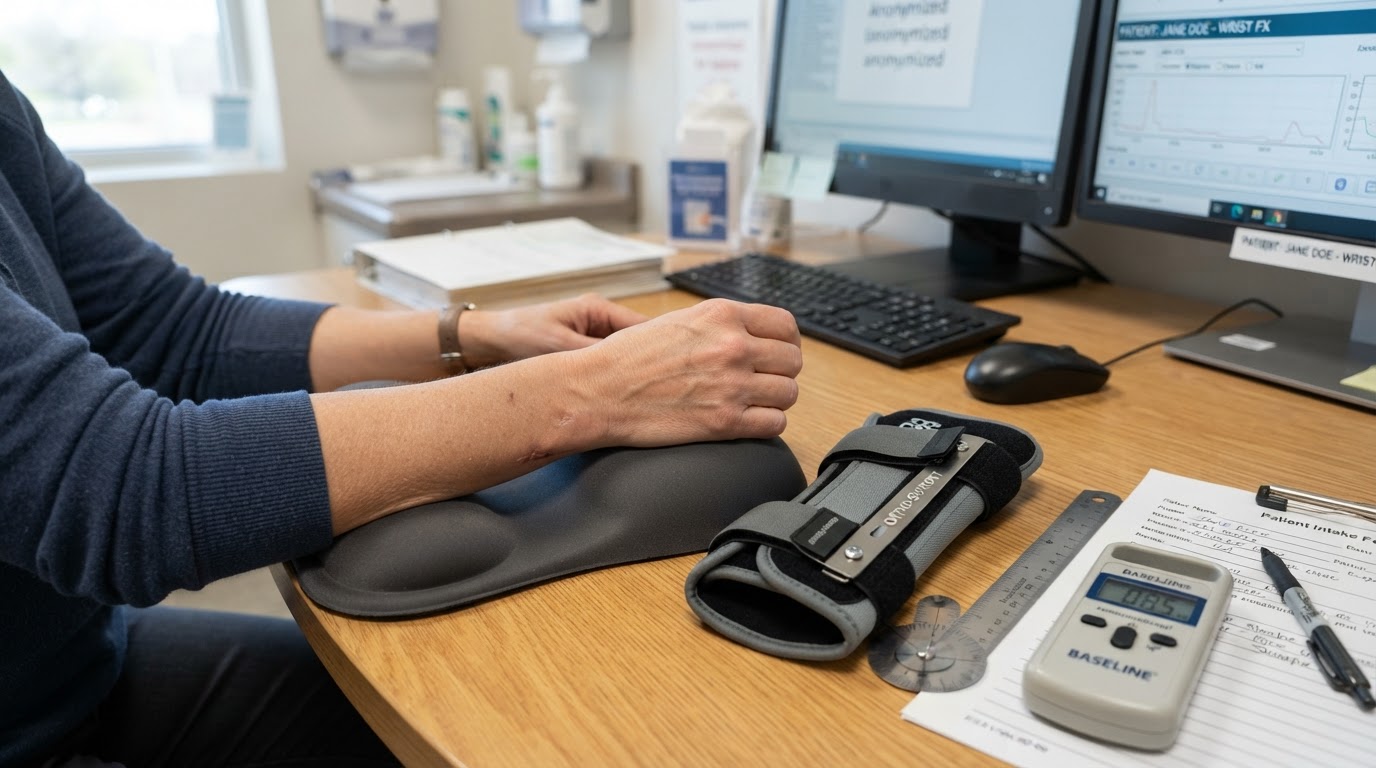
carpal tunnel syndrome wrist assessment and non surgical relief in Windsor
Waking up in the middle of the night needing to vigorously shake your hand because your thumb, index, and middle fingers feel dead asleep, numb, or burning with needles? Finding that you frequently drop coffee mugs, fumble with keys, or struggle to button your shirt? These classic symptoms are the hallmark of Carpal Tunnel Syndrome (CTS)—one of the most common and disabling repetitive strain conditions affecting modern workers. In Windsor's diverse economy, which blends high-intensity automotive manufacturing, tool and die craftsmanship, agriculture, computer technology, and healthcare, wrist and hand repetitive strain injuries are exceptionally prevalent. At Active Chiropractic on Tecumseh Road East, Dr. Annunciato Angelini provides comprehensive, non-surgical treatment protocols combining gentle joint mobilization, computerized nerve evaluation, and certified Active Release Techniques (ART) to relieve median nerve compression without steroid injections or carpal tunnel release surgery.
Anatomy of the Carpal Tunnel: What Actually Happens to the Median Nerve?
To understand why carpal tunnel syndrome causes such disproportionate hand dysfunction, we must examine the delicate anatomy of the wrist. The carpal tunnel is an unyielding, rigid anatomical conduit located on the palm side of your wrist. The 'floor' and side walls of the tunnel are formed by an arch of eight small carpal bones, while the 'roof' is bridged by a thick, inelastic fibrous ligament called the transverse carpal ligament (flexor retinaculum).
Packed tightly inside this narrow passageway are ten vital anatomical structures: nine flexor tendons that curl your fingers and thumb, and one sensitive peripheral nerve—the median nerve. The median nerve provides sensory innervation to your thumb, index finger, middle finger, and the thumb-side half of your ring finger, as well as motor control to the thenar muscles at the base of the thumb that allow you to pinch and grasp objects.
Because the walls of the carpal tunnel cannot expand, any process that introduces swelling or thickens the flexor tendon sheaths—such as repetitive keyboard typing, assembly line gripping, power tool vibration, fluid retention during pregnancy, or rheumatoid inflammation—dramatically spikes fluid pressure inside the canal. The elevated hydrostatic pressure compresses the microvascular blood vessels feeding the median nerve, plunging the nerve fibers into ischemic starvation. The immediate sensory alarms are tingling, paresthesia, and burning numbness.
The Overlooked 'Double Crush' Phenomenon: Is Your Wrist Pain Actually Coming From Your Neck?
One of the most critical reasons why carpal tunnel surgeries often fail—or why symptoms rapidly recur after surgery—is the clinical reality of the 'Double Crush Syndrome.' First documented by orthopedic researchers Upton and McComas in 1973, this principle reveals that when a peripheral nerve bundle is subjected to mild compression or irritation at its spinal origin, it becomes dramatically more vulnerable to secondary entrapment along its downstream pathway.
The nerve fibers comprising your median nerve originate in your lower cervical spine (specifically the C6, C7, C8, and T1 nerve roots). If you have poor desk posture, a forward-head tilt, cervical facet joint restriction, or a mild bulging cervical disc, the nerve axons are already experiencing impaired axonal transport and mechanical irritation before they even reach your shoulder. By the time that compromised nerve traverses the tight carpal tunnel at the wrist, even modest repetitive strain triggers severe symptoms.
Thoracic Outlet: Tight anterior and middle scalene muscles in the neck pinch the brachial plexus
Pectoralis Minor: Slouched shoulders compress the neurovascular bundle beneath the chest
Pronator Teres Muscle: Tight forearm flexor bellies squeeze the median nerve in the upper forearm
Carpal Tunnel: Inflamed flexor tendons compress the nerve against the transverse carpal ligament
Treating only the wrist for carpal tunnel syndrome is like watering a dying plant's leaves while ignoring its roots. At Active Chiropractic, we always examine the cervical spine, thoracic outlet, and forearm to ensure the entire nerve pathway is decompressed.
Classic Symptoms and Clinical Stages of Carpal Tunnel Syndrome
Carpal tunnel syndrome typically begins gradually and progresses through three distinct clinical phases if left untreated:
Early Nocturnal Stage: Waking during the night or early morning with numb, tingling hands. Shaking the hands ('flick sign') temporarily restores sensation. Symptoms are intermittent.
Intermediate Daytime Stage: Tingling and burning numbness begin occurring during daytime activities—such as driving, holding a telephone, reading a book, or typing. Finger dexterity decreases.
Advanced Chronic Stage: Permanent, constant numbness in the thumb, index, and middle fingers. Significant loss of grip strength, frequent dropping of objects, and visible wasting (atrophy) of the muscular pad at the base of the thumb (thenar eminence).
Why Surgery Should Be Your Absolute Last Resort
Traditional medical approaches often rely on temporary cortisone injections into the carpal tunnel, which may suppress inflammation for a few weeks but can weaken tendons and do nothing to fix underlying biomechanical causes. Surgical carpal tunnel release involves cutting the transverse carpal ligament to increase canal diameter. However, surgery carries risks of permanent scar tissue formation, pillar pain at the base of the palm, loss of grip and pinch strength, infection, and prolonged recovery downtime. Unless severe, irreversible muscular atrophy is present, clinical evidence strongly favors a trial of conservative, non-surgical chiropractic and soft-tissue care first.
Our Non-Surgical Clinical Approach at Active Chiropractic in Windsor
At our Windsor clinic, Dr. Angelini employs an evidence-based, multimodal protocol tailored to resolve every level of the double-crush chain:
Cervical Spine Mobilization & Adjustments: Restores normal joint alignment and removes compressive stress from the C6-T1 nerve roots in the neck.
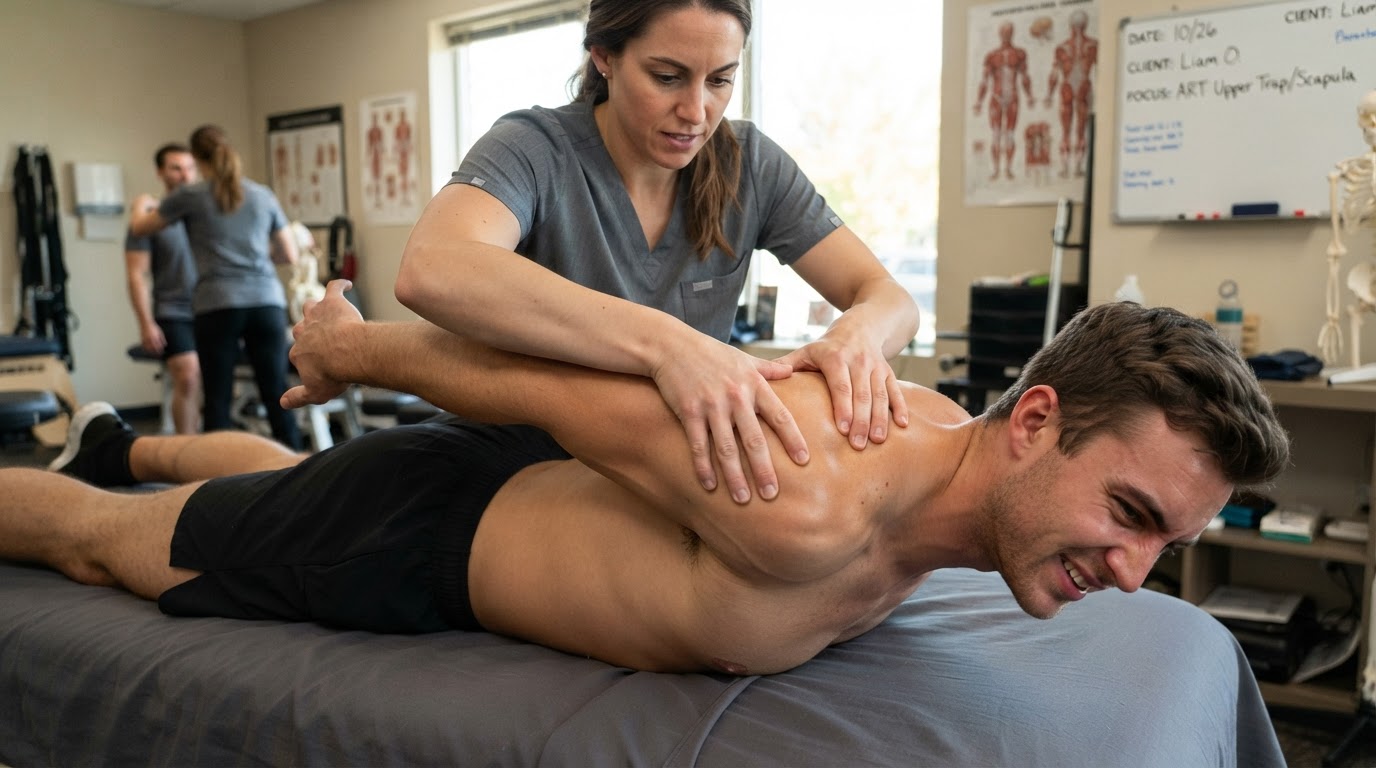
Active Release Techniques (ART): Specialized hands-on soft tissue protocols that break down restrictive adhesions between the median nerve, pronator teres, and flexor tendon sheaths throughout the forearm and wrist.
Carpal Bone Mobilization: Gentle manual manipulation of the lunate, capitate, and scaphoid bones to physically restore the natural transverse arch of the wrist.
Computerized Nerve Scans: Non-invasive diagnostic tracking that measures neuromuscular tension and verifies functional recovery throughout your care plan.
Ergonomic & Night-Splinting Guidance: Recommending neutral-wrist nocturnal splints and optimizing your workstation setup to eliminate repetitive mechanical irritation.
Avoid wearing flexible wrist braces during keyboard typing if they force your wrist into extension. Instead, wear a rigid neutral splint exclusively while sleeping to prevent your wrists from curling into extreme flexion during the night.
The takeaway
Carpal tunnel syndrome is rarely just a wrist problem—it is frequently a double-crush nerve entrapment involving the neck, shoulder, forearm, and wrist. Conservative chiropractic care and Active Release Techniques resolve the root mechanical cause without surgery.
Related Care & Clinic Guides
Explore how our team supports patients recovering from these specific conditions in Windsor:

 Soft Tissue & Sports